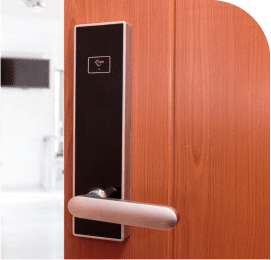
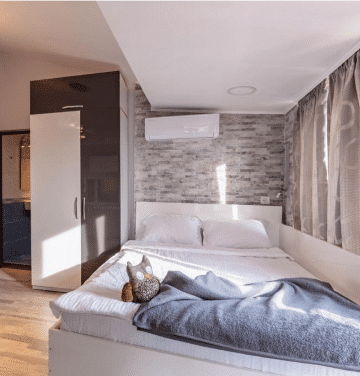
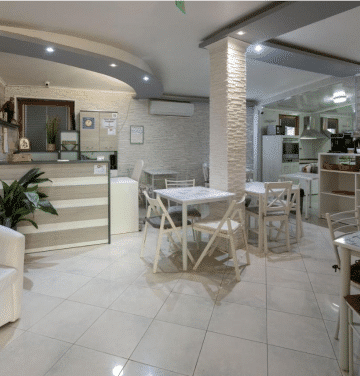
Апартаменти и стаи за гости Фотинов вплита традиционно българско гостоприемство и модерен комфорт. Намира се в центъра на град Бургас, на 10 минути пешеходно разстояние от плажа и Морската градина. В близост е още до Централна ЖП гара и автогара Юг (400 м). Стаите и студиата са разположени в 4-етажна сграда без асансьор и предлагат всички нужни удобства за спокоен престой. Достъпът е с ключ карта или персонален код . Служебен паркинг с допълнителна такса е наличен и се предоставя само след предварителна резервация и при наличност . В непосредствена близост се намира подземен платен охраняем паркинг на площад“ Баба Ганка“ до катедрален храм ”Св.Св.Кирил и Методий”. Регистрация на гости и издаване на фактури е от 8.30-17ч.
Персонален код за достъп /или ключ карта/ за външна врата и за вашата стая ще ви бъде предоставен в деня на настаняване /след 14 ч./ на посочените от вас контакти: на SMS съобщение или мейл адрес.
Достъпът е само по стълби. Моля заявете на посочените контакти нисък етаж при нужда. Служебно парко място е на стойност 10 лв. на денонощие и се предоставя след предварителна резервация и при наличност. Синята зона в централна градска е безплатна през уикенда. В делнични дни може да се ползва неограничено от 9:00-19:00ч на стойност 1.20лв на час. Подземен охраняем паркинг на пл. Баба Ганка до храм „Св.Св.Кирил и Методий“ е в непосредствена близост. Няма нужда от предварителна резервация.
Настаняване след 14:30ч.
Напускане до 11:30ч.
Тихи часове 23:00-7:00ч.
Континентална закуска всеки ден от 8:30-10:00ч.
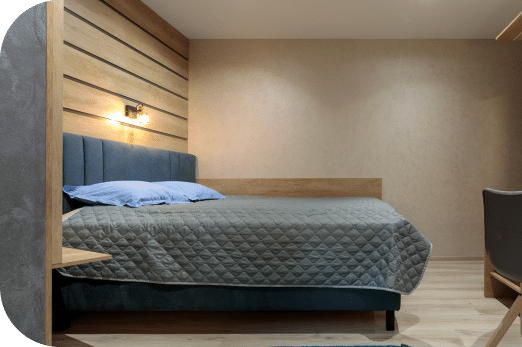
Стандартна двойна стая
Предлага уют и комфорт за вашия престой. Достъпът до нея се осъществява чрез ключ-карта или персонален код. Стаята е подходяща за максимум двама възрастни.
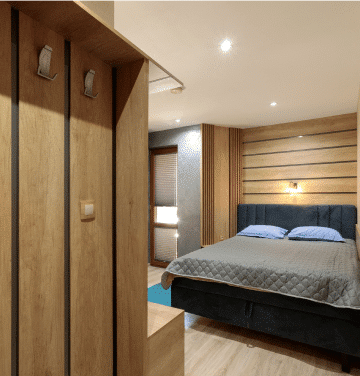
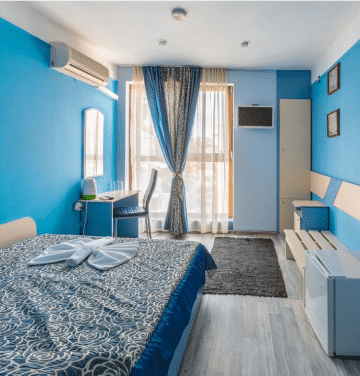
Предлага уют и комфорт за вашия престой. Достъпът до нея се осъществява чрез ключ-карта или персонален код. Стаята е подходяща за максимум двама възрастни.
Отдихът е гарантиран. Достъпът до студиото се осъществява с ключ-карта или персонален код. Подходящо е за 2 възрастни и 1 дете до 12 г. или 3 възрастни.
Свобода и удобство да посетите нови места дори ако нямате собствена кола
Летищен трансфер
От и до летище Бургас срещу заплащане и с предварителна заявка
Паркинг
Собствен платен с резервация и обществен платен в близост
Интернет
Безплатен Wi-Fi, за да се чувствате сякаш сте у дома си
Self check-in & check-out
Спокойствие, гарантирано от ключ-карта с код за достъп за всяка стая
Съдействие и информация
Туристически карти на града, информация за атракции и събития
Съхранение на багаж
Удобно и сигурно съхранение на лични вещи и ценности
Копирни услуги и принтер
Бързо и лесно копиране/принтиране на файлове и документи
Напитки в общата зона
Безалкохолни напитки в общата зона (чай, кафе, вода)
Удобства и услуги
Коли под наем
Свобода и удобство да посетите нови места дори ако нямате собствена кола
Летищен трансфер
От и до летище Бургас срещу заплащане и с предварителна заявка
Паркинг
Собствен платен с резервация и обществен платен в близост
Интернет
Безплатен Wi-Fi, за да се чувствате сякаш сте у дома си
Съхранение на багаж
Удобно и сигурно съхранение на лични вещи и ценности
Копирни услуги
Бързо и лесно копиране/принтиране на файлове и документи
ОПОЗНАЙ БУРГАС
Забележителности
За Бургас се говори като за град на артисти. Какъв ще бъде през вашите очи – може да разберете само ако го опознаете отблизо. Разходка край брега, посещение на музей или галерия – Бургас несъмнено има какво да ви предложи.
Апартаменти и стаи за гости Фотинов се намира на 200 м от Информационния туристически център в града. Разстоянието до Морска градина на Бургас е 750 м, а до Централния плаж – 850 м.
За Бургас се говори като за град на артисти. Какъв ще бъде през вашите очи – може да разберете само ако го опознаете отблизо. Разходка край брега, посещение на музей или галерия – Бургас несъмнено има какво да ви предложи.
В търсене на име за новооткрития хотел, без да правят допълнително проучване, собствениците решават да му дадат името на улицата, на която е разположен – Константин Фотинов. И двамата с педагогично образование, с любов към литературата и интереси в областта на историята и географията, решават да обособят малка библиотека в хотела. Години по-късно собствениците разбират, че сградата се намира съвсем близо до Фотиновата библиотека и Фотиновото училище. Днес в хотелската библиотека има десетки издания и книги на различни езици.